Explore The Cinema Connect With Merging Cultures

San Francisco combines the ideal location to create and enjoy the many facets of American culture. It possesses a range of geographical features, such as foggy weather, hilly terrain, varied architecture, and famous tourist attractions, like the Golden Gate Bridge, iconic cable cars, Alcatraz Island, and Chinatown. Here is a guide to the most memorable filming locations in San Francisco.
Bumble Bee Final scene of the film starring Hailee Steinfeld at the Golden Gate Bridge
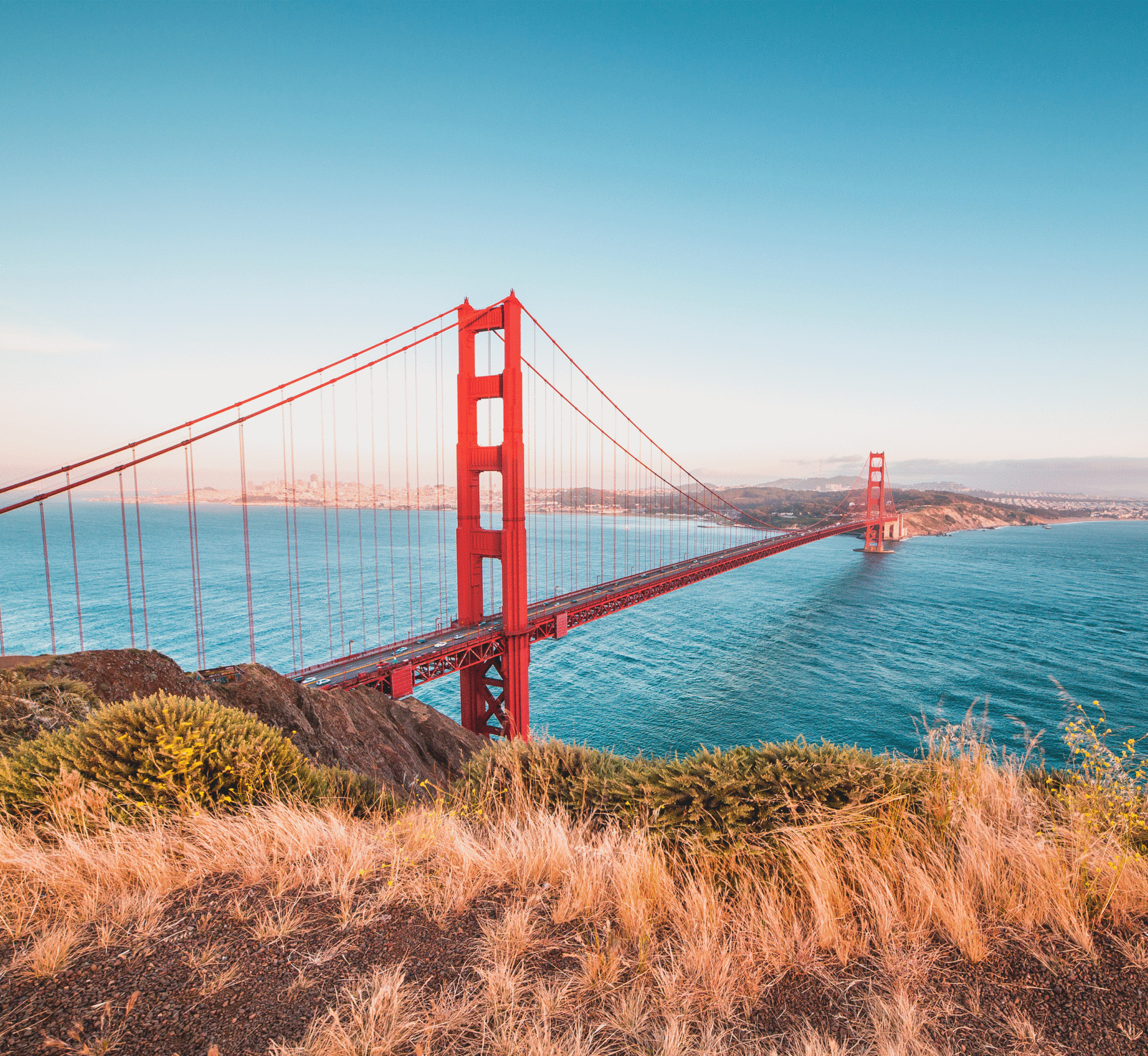
Golden Gate Bridge \| \
Bumblebee\
The last scene of the film \
Bumblebee\ starring Haylee Steinfeld takes place on a hill near the Golden Gate Bridge and Battery Spencer. Bumblebee drives off the bridge to rejoin with Optimus Prime.
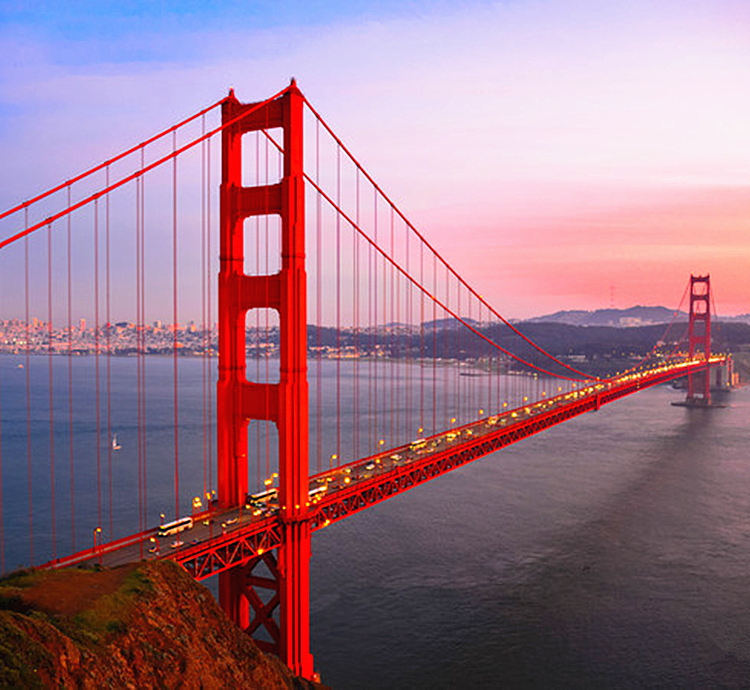
The bridge has been featured in multiple films and for a good reason. The bridge gives a true sense of place and movie magic. The best places to see the bridge featured in films is located at the Golden Gate Bridge.
Muir Woods National Monument | \
Rise of the Planet of the Apes\
The Muir Woods located about 20 kilometers north of the Golden Gate Bridge is the location of the towering redwoods that give the movie the epic scale that only nature can provide. These redwoods are said to be thousands of years old, and in the movie \
Rise of the Planet of the Apes\, it is where Caesar leads his community of Apes.
Also visit the Point Bonita Lighthouse and Sausalito.
A rewarding day outside the city includes ancient redwoods and a historic waterfront town.
Palace of Fine Arts | The Princess Diaries
The Palace of Fine Arts was built for the 1915 Panama-Pacific International Exposition, and commemorates San Francisco's recovery from the great earthquake. With its Roman-inspired design of a dome and colonnades, it has fountains and weeping willows, and is one of the city’s most romantic spots. It has been featured in many movies, such as The Princess Diaries, starring Julie Andrews and Anne Hathaway, from 2001, where it is the wedding venue. It was also in the 2006 movie, Mrs. Doubtfire, starring Robin Williams.
Alcatraz Island | The Rock
Alcatraz is the main location in The Rock where the two main characters fight the rebels on the island. The island has also been a filming location for X-Men: The Last Stand, The Godfather, and The Shawshank Redemption. From 1907 to 1963, it was a military and federal prison. Today, it is a popular tourist destination in San Francisco with restaurants, seafood shops, and souvenir shops. The 15-minute ferry ride to Alcatraz, which leaves from Pier 33 at Fisherman’s Wharf, is scheduled a month or two in advance. Tickets can only be purchased on the day of your reservation at //***.
Lombard Street | Vertigo
Lombard Street, known as the crooked flower street of San Francisco, is planted with seasonal blooms. There are hydrangeas in spring, roses in summer, and chrysanthemums in autumn.
From the top level, visitors can see the Bay Bridge and Coit Tower.

Originally, the street was made to control San Francisco's traffic. It used to be a direct and steep drop, but that was too dangerous and the street was reconstructed to the tight switchbacks that they have now. San Francisco has an abundance of dramatic hills, but none similar to this.
Lombard Street is a one way street. Cars can only go down the hill. There is a large "Do Not Enter" sign at the lower entrance, so don't come from this way. Because of the sharp turns, steep downgrade, and continuous flow of cars, speeds must be kept under 8km/h. It's a very difficult little road for drivers.
Chinatown | The Pursuit of Happyness

In the title of the movie The Pursuit of Happyness there is a spelling mistake. Happyness is misspelled because of a sign on a wall outside a Chinese daycare in San Francisco's Chinatown, where the characters in the movie are said to have lived. The area Chinatown is where the characters are said to have lived and where they are struggling to find their place in society and make a better life for themselves.

When Chinese immigrants came to San Francisco in the 19th century they experienced extreme racism and were pushed into what is now called Chinatown. Because of this history, the area was able to create a very robust self-sustaining ecosystem. It is a fully functioning, but compact, Chinese community right in the middle of San Francisco with banks, schools, newspapers, restaurants, and all the other services available in Chinese.